




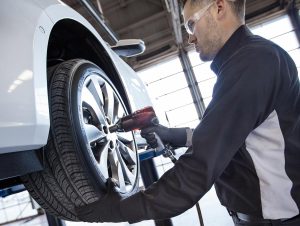
If you drive a Chevrolet or GMC SUV or truck in Southern Oregon, you’ve probably asked yourself whether winter tires are really necessary or if all-season tires are enough for local conditions. The answer depends on where you drive and how often you encounter winter weather.
For drivers who mostly stay in the valley around Medford and avoid traveling during snow or icy conditions, a quality set of all-season tires may be sufficient for typical winter driving. Valley roads are often cleared quickly, and winter conditions are generally less severe than at higher elevations.
However, if you tow or haul, regularly drive over mountain passes, head into higher elevations, or travel on back roads during the winter, tire choice becomes more important. In these situations, dedicated winter tires or true all-weather tires can significantly improve traction, braking, and overall control, helping you stay safer when conditions are unpredictable.
Let’s take a closer look at what really matters for Chevrolet and GMC truck and SUV owners driving in the Rogue Valley during the winter months.
How Southern Oregon Conditions Affect Your Truck or SUV
Our weather can be a little deceptive. Medford doesn’t always look like “winter,” but:
• Temperatures drop enough for icy patches on early mornings and late nights
• Shaded areas, bridges, and overpasses can hide black ice
• The passes and higher elevations around us can see real snow and compact ice.
If you’re driving a Silverado, Sierra, Tahoe, Yukon, or similar vehicle, the extra weight and power are great for stability and pulling but they don’t replace traction. That’s where your tires come in.
All-Season vs All-Weather vs Winter Tires For Trucks & SUVs
Here’s a simple way to think about your options:
All-Season Tires
- Common on many new trucks and SUVs
- Designed to handle a wide range of conditions, but not excellent at any one extreme
- Can harden in colder temperatures, reducing grip on ice and packed snow
All-Weather Tires
- Marked with the 3-peak mountain snowflake symbol
- Stay more flexible in cold conditions than standard all-seasons
- A good choice if you want one set year-round but still see winter conditions regularly.
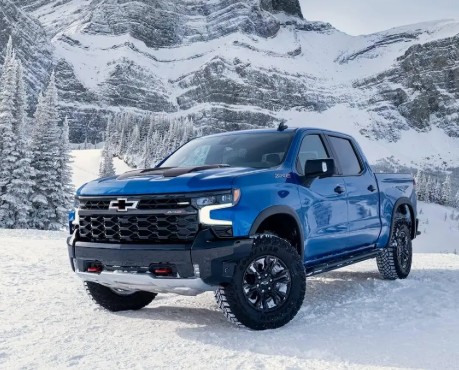
Dedicated Winter Tires
- Best for frequent snow, ice, and slush
- Softer rubber stays grippy in cold temps
- Tread patterns designed to bite into snow and clear slush.
If you’re towing a trailer, carrying a load in the bed, or driving a full-size SUV with your family on board, the extra braking and cornering grip from winter-capable tires can be a big confidence boost.
How 4×4 and Traction Control Work Together With Proper Tires
Many Chevrolet and GMC trucks and SUVs have:
- 4×4 or all-wheel drive systems
- Traction and stability control
- Tow/haul modes and drive-mode selectors
These systems help you get moving and keep the vehicle pointed straight. What they can’t do is magically create grip where the rubber meets the road.
Good winter-capable tires help you:
- Stop sooner on slick surfaces
- Turn with more control on icy corners
- Feel less “surprise” sliding when conditions change suddenly.
Who Might Be Fine Without Winter Tires
You may be okay sticking with good all-season tires if:
- You primarily drive around Medford, Central Point, or Phoenix
- You rarely head over the passes in winter
- You avoid driving when conditions are at their worst
- Your tires are relatively new, with plenty of tread, and properly inflated
Even then, it’s still smart to have your tires and tread depth checked before winter really sets in.
Who Should Seriously Consider Winter or All-Weather Tires
We recommend a closer look at winter or all-weather tires if:
- You regularly drive to Grants Pass, Ashland, or beyond in winter
- You tow a trailer, boat, or camper in colder months
- You commute or work early mornings or late nights
- You hunt, camp, or work in areas where roads are not always plowed quickly
In those situations, better winter grip isn’t just about comfort it’s about keeping you, your passengers, and your load safer.
When to Change Tires in Southern Oregon
A simple rule of thumb:
- Think about switching to winter or all-weather tires when daytime highs stay consistently below about 45°F, especially if you’re driving through higher elevations or over passes.
- Switch back in spring when the risk of snow and ice on your usual routes is mostly behind you.
If you’re unsure, we’re happy to talk through your daily routes and help you decide.
How Airport Chevrolet GMC Cadillac Can Help
At Airport Chevrolet GMC Cadillac in Medford, we can:
- Inspect your current tires for tread depth, age, and condition
- Look at the way you use your truck or SUV—towing, commuting, family trips, or work
- Recommend all-season, all-weather, or winter tires that match your real-world driving
- Mount and balance your new tires and make sure your TPMS (tire pressure monitoring system) is set up correctly
Our goal is to keep you feeling confident when you start your Chevy or GMC on a cold Southern Oregon morning, whether you’re staying in the valley or heading up into the hills.
Connect with us


Recent Blog Entries
- Get Organized and Ready for Anything with the Chevy Colorado StowFlex Tailgate
- 2026 Chevy Equinox Updates: What’s New for Medford, OR Drivers
- Discover the 2026 Chevy Colorado Features in Medford, OR
- What’s The Difference Between The Silverado 1500 And Silverado HD?
- Chevy Colorado vs GMC Canyon: A Medford, OR Comparison