





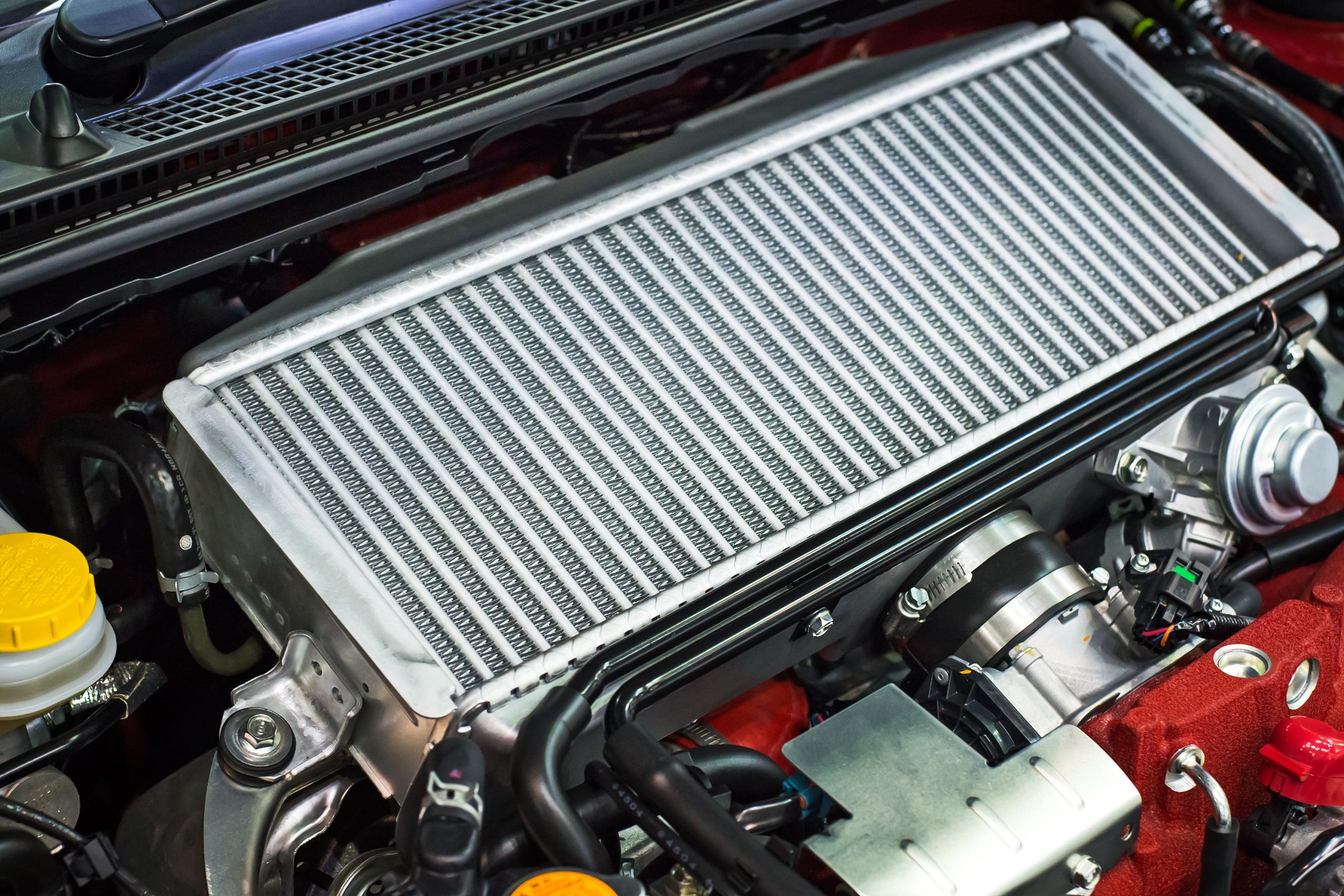
Steam billowing from the engine compartment is the last thing any driver needs. It’s a sign your engine is overheating and could be suffering catastrophic damage. Fortunately, this doesn’t have to happen. If your radiator or cooling system is damaged, your Chevy dealer can fix it for you before this happens. These are a few signs that you may need a radiator repair.
Coolant Leak
Coolant is vital for your car as it absorbs the heat generated by the engine. This liquid is a mixture of antifreeze and water. It’s pumped through your engine as soon as the temperature reaches a pre-set point. The coolant transports the heat it absorbs to the radiator, where the heat is removed. Without coolant, your engine has no way to disperse the heat generated by combustion and the hundreds of fast-moving parts.
A coolant leak is usually easy to see, as the liquid is available in bright colors like pink, blue, yellow, and green. Sometimes, coolant can leak into your engine rather than out of it. You might see your exhaust smoke change to a thick white cloud, which means that coolant has leaked into the exhaust system. Our technicians will trace the leak and repair it to fix this problem.
Damaged Water Pump
As we’ve seen, the coolant absorbs the heat from your engine and takes it to the radiator for removal. When your engine temperature reaches a pre-set point of between 185 F and 210 F, coolant will be released into your engine. The water pump will immediately switch on and begin pumping coolant through the system at high speed.
The water pump is a simple device, but it can wear out. A worn or damaged pump won’t be able to move coolant through your engine. Without the constant flow of coolant, your engine temperature will rapidly increase. As the engine gets hotter, components like the head gasket are in danger of failing. We can quickly replace a failed water pump, and your engine temperature will return to normal.
Cracked Hoses
Two strong rubber hoses connect your radiator to the rest of your cooling system. These hoses are designed to handle hot, pressurized liquid at temperatures over 300 F. The hoses are also flexible to allow for the rapid flow of coolant into the radiator. In time, all components wear out, and these hoses can become damaged if they’re not regularly serviced.
The rubber hoses become less flexible and cracks can appear. Coolant will leak out, and your engine temperature will soar. We can swiftly replace the hoses to fix this problem.
If your engine temperature is rising, call our service department ASAP at Airport Chevrolet GMC.
Connect with us


Recent Blog Entries
- The Ultimate Guide to Charging Your Chevy Equinox EV
- What to Do When Your Car Needs Parts Replaced: A Step-by-Step Guide
- Signs You May Need Chevrolet Radiator Repair in Medford, OR
- 2026 Chevy Blazer vs. Chevy Equinox: Which Is Right For You?
- Essential Chevy EV Maintenance Tips for Medford, OR Drivers